

Moving to a new city and a new country is very exciting! Daydreaming about your new life, being curious about your new favourite coffeeshops, parks, or clubs is becoming a new hobby! But before that dream can become true, one of the most crucial steps needs to be taken: find your new home.
This can be a very stressful activity, and can feel veryyyy overwhelming! Advertisements are popping up everywhere, your whole Facebook feed might be full of possible places and people who are looking too…., and panic might start too…
But no worries, I’ve gathered all the tips&tricks, and have collected your most asked questions in this blog.
First of all, use the university website, as it provides a lot of information already!
Secondly, the university offers rooms to fee-paying students through the housing office.
There are 2 different streams:
1. Fee-paying students
2. Non-fee-paying students
Fee-paying students (you are a citizen of a country outside the European Union, European Economic Area, or Switzerland) can take advantage of the housing guarantee. This means that the Uppsala University’s Housing Office will provide you with a student dormitory room, as long as you apply and accept the offer on time.
Non-fee paying students (you are from an EU/EEA country or Switzerland), need to find their housing on themselves. It is their responsibility.
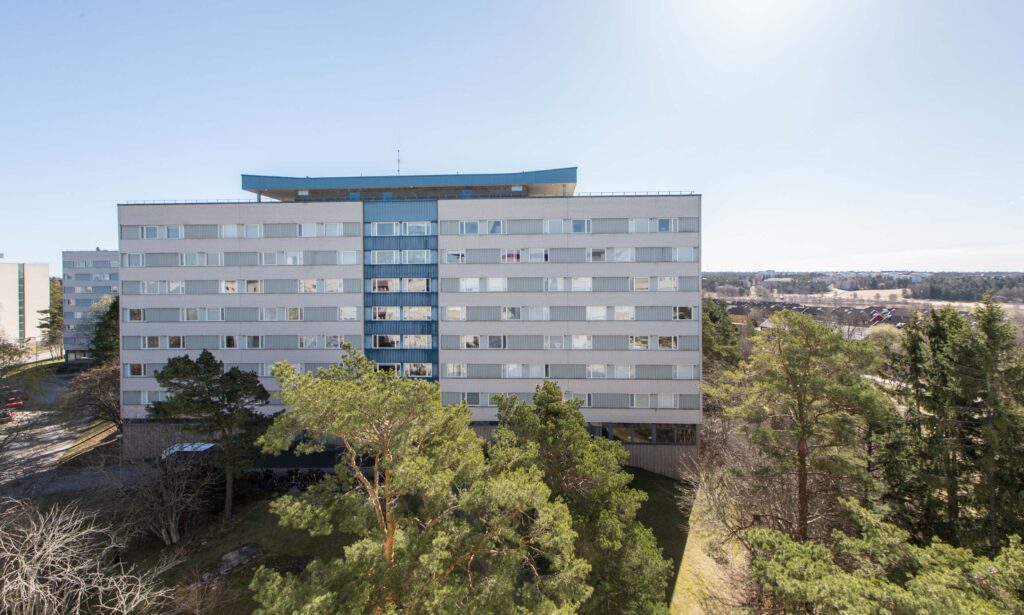
Different student neighborhoods – Uppsala
1. Flogsta
- Iconic flogsta scream at 22:00 and flogstaparties
- Close to Ica Väst (hero as it stays open till 23:30)
- Close to nature
- Not as central – bike really recommended!
2. Nation housing
- Very central and close to the nations
- Mostly cheaper in rent
- Different nations have different types of housing!
3. Klostergatan
- Very central
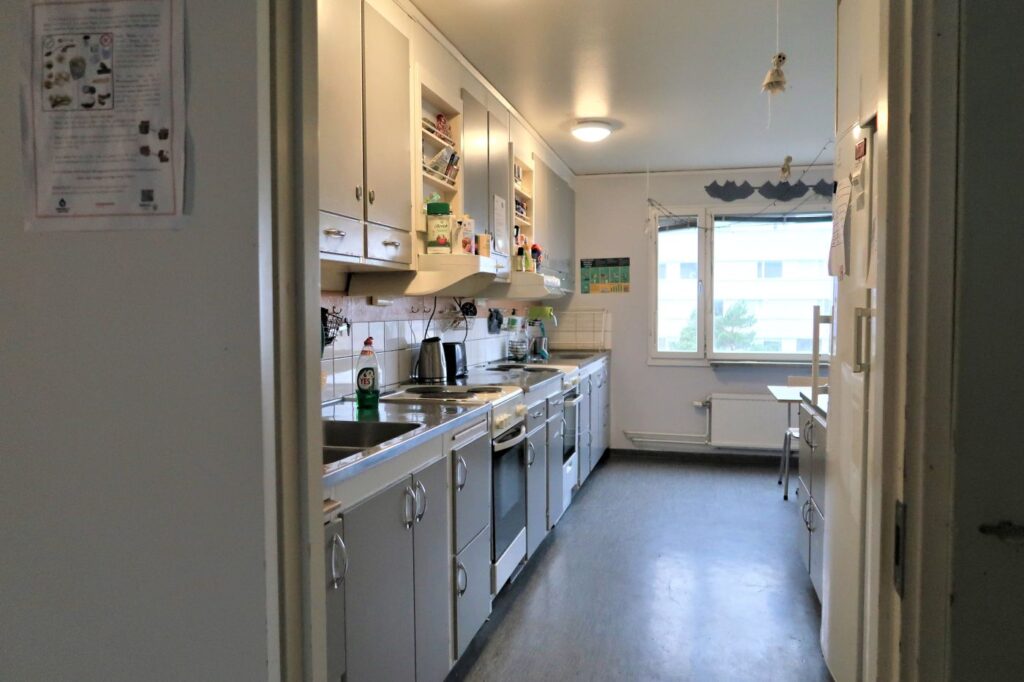
- Own kitchen + big common kitchen
4. Kantorsgatan
- Not as central
- Close to nature
- Big kitchens
5. Rackarbergsgatan
- Between city center and flogsta
- Corridors, close to ekonomikum
6. Privat housing
- Can be anywhere!
- Maybe a possibility for pets
- Be aware of scammers!
Student’s favourite sites:
Heimstaden
- First serve, first place: check the site regularly!
- Flogsta housing
Uppsala Bostadsförmedling
- Pay for the queue as soon as possible!!
- A lot of rooms in different neighbourhoods!
- Personalize your preferences to get personalized emails
Housing
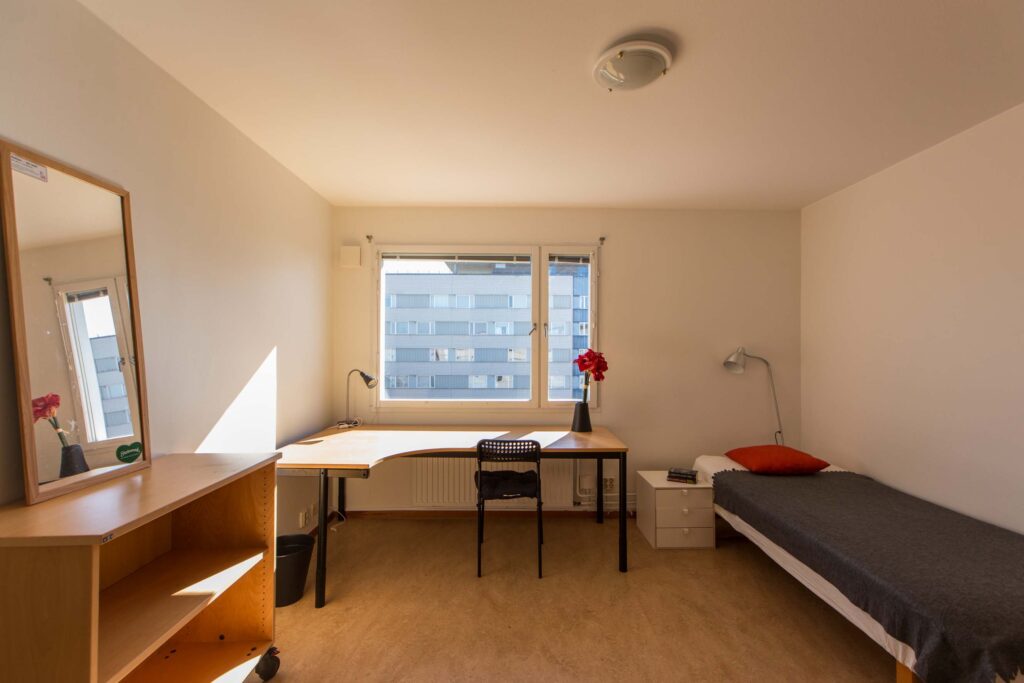
‘How much is the rent?’ Very important question, but this can vary a lot! You can find housing for 4500kr, but also 10000… A tip: use the filter on the website to stay in your budget!
‘Do I need to pay during June-July?’ This really depends from place to place… I, for example, needed to pay during those months (room with a pentry in Flogsta), while my friends living in a corridor in Flogsta didn’t need to.. It is always mentioned in your contract whether to pay it or not!
‘When should I start looking for a place?’ Preparations are key! Try to use the university’s website to get familiar with the most used sites, and sign up in the queue as fast as possible!!
Tip: I sent out emails to the biggest websites to ask when their rooms will be put on the site, and even automated my preferences. So I knew exactly when to look online and how their queuing system worked, and was less stressed beforehand. Also, if you want a room through ‘Uppsala Bostadsförmedling’, pay for the queue already! I did that right after I knew I got accepted, and was still in place 20 at the beginning of June….
‘Can I rent without a personal number?’ Yes! You might need to prove that you are a student, for example, your admission letter.
‘Do I need to start to rent a house in May, even though I’m only arriving in late August?’ Short answer: NO! You can perfectly find a room that starts in August; most contracts do start the first of the month, but you don’t need to start renting a place a few months in advance!

Recent Comments